

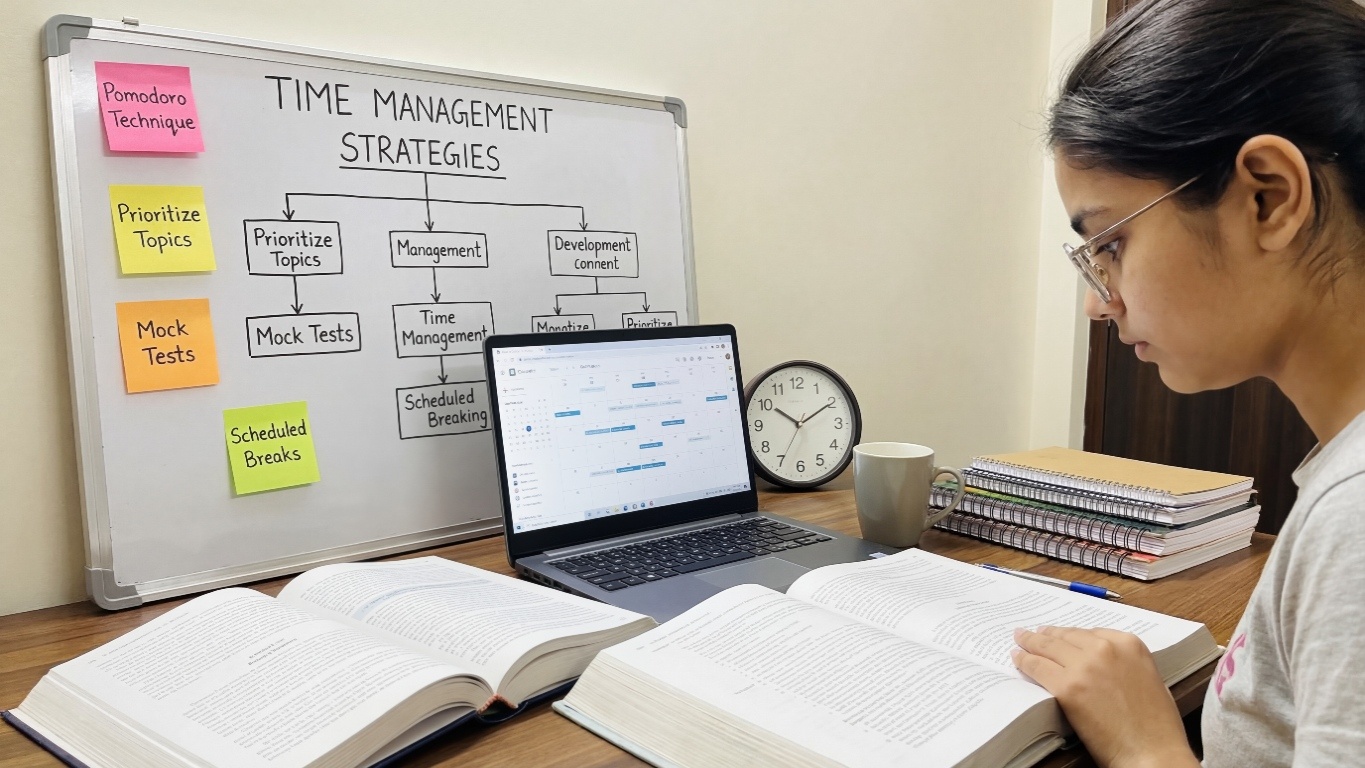
Time is one of the most limited resources for executives. With constant meetings, decision-making responsibilities, and strategic planning, managing time effectively becomes essential for both productivity and long-term success. The difference between overwhelmed leaders and high-performing executives often comes down to how well they manage their time.
Why Time Management Matters for Executives
Executives operate in high-pressure environments where every decision impacts the organization.
Key Benefits
- Improved focus on strategic priorities
- Better decision-making under pressure
- Reduced stress and burnout
- Increased overall productivity
Effective time management enables leaders to focus on what truly drives results.
1. Prioritize Using the Eisenhower Matrix
Not all tasks are equally important.
How It Works
- Urgent and important: Handle immediately
- Important but not urgent: Schedule for later
- Urgent but not important: Delegate
- Neither urgent nor important: Eliminate
This method helps executives focus on high-impact activities.
2. Master the Art of Delegation
Executives cannot do everything themselves.
Delegation Tips
- Assign tasks based on team strengths
- Provide clear instructions and expectations
- Trust your team to deliver results
Delegation frees up time for strategic thinking.
3. Use Time Blocking
Time blocking involves allocating specific time slots for tasks.
Benefits
- Reduces distractions
- Improves focus
- Ensures dedicated time for important work
Blocking time for deep work helps executives stay productive despite interruptions.
4. Limit Meeting Overload
Meetings can consume a large portion of an executive’s day.
How to Optimize Meetings
- Set clear agendas
- Keep meetings short and focused
- Decline unnecessary meetings
Efficient meetings save valuable time.
5. Focus on High-Impact Tasks
Busy does not always mean productive.
Key Approach
- Identify tasks that drive the most value
- Spend more time on strategic initiatives
- Avoid low-priority activities
Focusing on impact ensures better outcomes.
6. Leverage Technology and Tools
Digital tools can streamline workflows.
Useful Tools
- Calendar and scheduling apps
- Task management platforms
- Automation tools
Technology helps executives manage tasks more efficiently.
7. Practice the 80/20 Rule (Pareto Principle)
A small number of tasks often produce the majority of results.
Application
- Identify the 20% of efforts that generate 80% of outcomes
- Prioritize those activities
This principle helps maximize productivity with minimal effort.
8. Minimize Distractions
Interruptions can significantly reduce efficiency.
Strategies
- Turn off unnecessary notifications
- Set boundaries for focused work
- Create a distraction-free environment
Maintaining focus improves both speed and quality of work.
9. Schedule Downtime and Reflection
Constant work without breaks leads to burnout.
Why It’s Important
- Improves mental clarity
- Enhances creativity
- Supports better decision-making
Short breaks and reflection time can boost overall performance.
10. Review and Adjust Regularly
Time management is an ongoing process.
Best Practices
- Evaluate how time is spent
- Identify inefficiencies
- Adjust strategies accordingly
Continuous improvement ensures long-term effectiveness.
Common Time Management Mistakes
Even experienced executives can struggle with time management.
Pitfalls to Avoid
- Overcommitting to tasks
- Micromanaging instead of delegating
- Ignoring personal well-being
- Failing to prioritize effectively
Recognizing these mistakes is the first step toward improvement.
Conclusion
Time management is a critical skill for busy executives who need to balance multiple responsibilities. By prioritizing effectively, delegating tasks, and leveraging the right tools, leaders can maximize productivity while reducing stress. The goal is not to do more—but to focus on what truly matters and execute it efficiently.
FAQs
1. What is the best time management technique for executives?
There is no single best method, but combining prioritization, delegation, and time blocking is highly effective.
2. How can executives reduce time spent in meetings?
By setting clear agendas, limiting participants, and declining unnecessary meetings.
3. Why is delegation important for time management?
Delegation allows executives to focus on strategic tasks rather than operational details.
4. How can technology improve time management?
It helps automate tasks, organize schedules, and track productivity.
5. What is the biggest challenge in managing time as an executive?
Balancing urgent tasks with long-term strategic priorities.
6. How often should executives review their schedules?
Regularly—weekly or monthly reviews help identify inefficiencies and improve planning.
7. Can taking breaks really improve productivity?
Yes, short breaks improve focus, creativity, and overall performance.
