
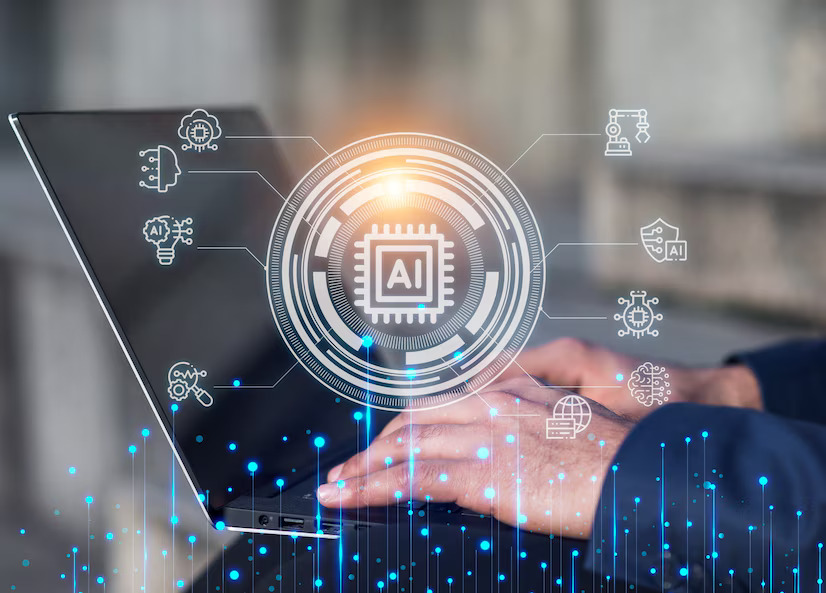
Artificial Intelligence (AI) is transforming marketing automation from a rule-based system into a dynamic, intelligent engine. What once required manual setup and static workflows is now powered by algorithms that learn, adapt, and optimize in real time. This shift is enabling businesses to deliver more personalized, efficient, and scalable marketing campaigns.
What is AI in Marketing Automation?
AI in marketing automation refers to the use of machine learning, predictive analytics, and data processing to automate marketing tasks while improving decision-making.
Key Capabilities
- Analyzing large volumes of customer data
- Predicting user behavior and preferences
- Automating campaign execution and optimization
Unlike traditional automation, AI continuously improves based on new data.
Why AI is Transforming Marketing Automation
The growing complexity of customer journeys has made manual marketing processes inefficient.
Key Advantages
- Real-time decision-making
- Enhanced personalization at scale
- Reduced manual workload
- Improved campaign performance
AI allows marketers to respond instantly to changing customer behavior.
1. Hyper-Personalization at Scale
AI enables highly targeted messaging tailored to individual users.
How It Works
- Tracks user interactions across channels
- Segments audiences dynamically
- Delivers personalized content in real time
Impact
- Higher engagement rates
- Increased conversions
- Better customer experiences
Personalization is no longer optional—it is expected.
2. Predictive Analytics for Smarter Campaigns
AI uses historical data to forecast future outcomes.
Applications
- Predicting customer purchase intent
- Identifying high-value leads
- Optimizing campaign timing
Predictive insights help marketers act proactively rather than reactively.
3. Intelligent Email Marketing Automation
Email marketing is becoming more sophisticated with AI.
Features
- Automated subject line optimization
- Personalized email content
- Send-time optimization
These enhancements improve open rates and engagement.
4. Chatbots and Conversational Marketing
AI-powered chatbots provide instant customer interaction.
Benefits
- 24/7 customer support
- Instant responses to queries
- Personalized recommendations
Chatbots enhance user experience while reducing operational costs.
5. Automated Content Optimization
AI helps refine content for better performance.
Key Functions
- A/B testing at scale
- Performance-based content adjustments
- SEO optimization suggestions
This ensures content remains relevant and effective.
6. Programmatic Advertising
AI automates ad buying and placement.
Advantages
- Real-time bidding
- Precise audience targeting
- Efficient budget allocation
Programmatic advertising maximizes return on investment.
7. Customer Journey Mapping
AI provides a comprehensive view of the customer journey.
Insights Gained
- Touchpoints that influence decisions
- Drop-off points in the funnel
- Opportunities for engagement
Understanding the journey helps improve overall marketing strategy.
8. Workflow Automation and Efficiency
AI streamlines repetitive marketing tasks.
Examples
- Lead scoring and nurturing
- Campaign scheduling
- Data analysis and reporting
Automation allows teams to focus on strategic initiatives.
Challenges of AI in Marketing Automation
While AI offers significant benefits, it also presents challenges.
Common Issues
- Data privacy concerns
- Dependence on data quality
- Complexity in implementation
- Need for skilled professionals
Addressing these challenges is essential for successful adoption.
The Future of AI in Marketing Automation
AI will continue to evolve, bringing new capabilities.
Emerging Trends
- Deeper integration with customer experience platforms
- Advanced voice and visual search marketing
- Greater emphasis on ethical AI and transparency
The future will focus on balancing automation with human creativity.
Conclusion
The rise of AI in marketing automation is redefining how businesses connect with their audiences. By enabling smarter decisions, personalized experiences, and efficient workflows, AI is becoming an essential tool for modern marketers. Organizations that embrace this transformation will gain a significant competitive edge in an increasingly digital world.
FAQs
1. What is marketing automation?
It is the use of software to automate marketing tasks such as email campaigns, social media posting, and lead management.
2. How does AI improve marketing automation?
AI enhances automation by analyzing data, predicting behavior, and optimizing campaigns in real time.
3. Is AI replacing human marketers?
No, AI supports marketers by handling repetitive tasks, allowing them to focus on strategy and creativity.
4. What are the main benefits of AI in marketing?
Benefits include personalization, efficiency, better targeting, and improved campaign performance.
5. Do small businesses need AI in marketing automation?
Yes, even small businesses can benefit from AI tools to improve efficiency and engagement.
6. What are the risks of using AI in marketing?
Risks include data privacy issues, reliance on data quality, and potential algorithmic bias.
7. How can companies start using AI in marketing automation?
They can begin with AI-powered tools for email marketing, analytics, and customer engagement.
