
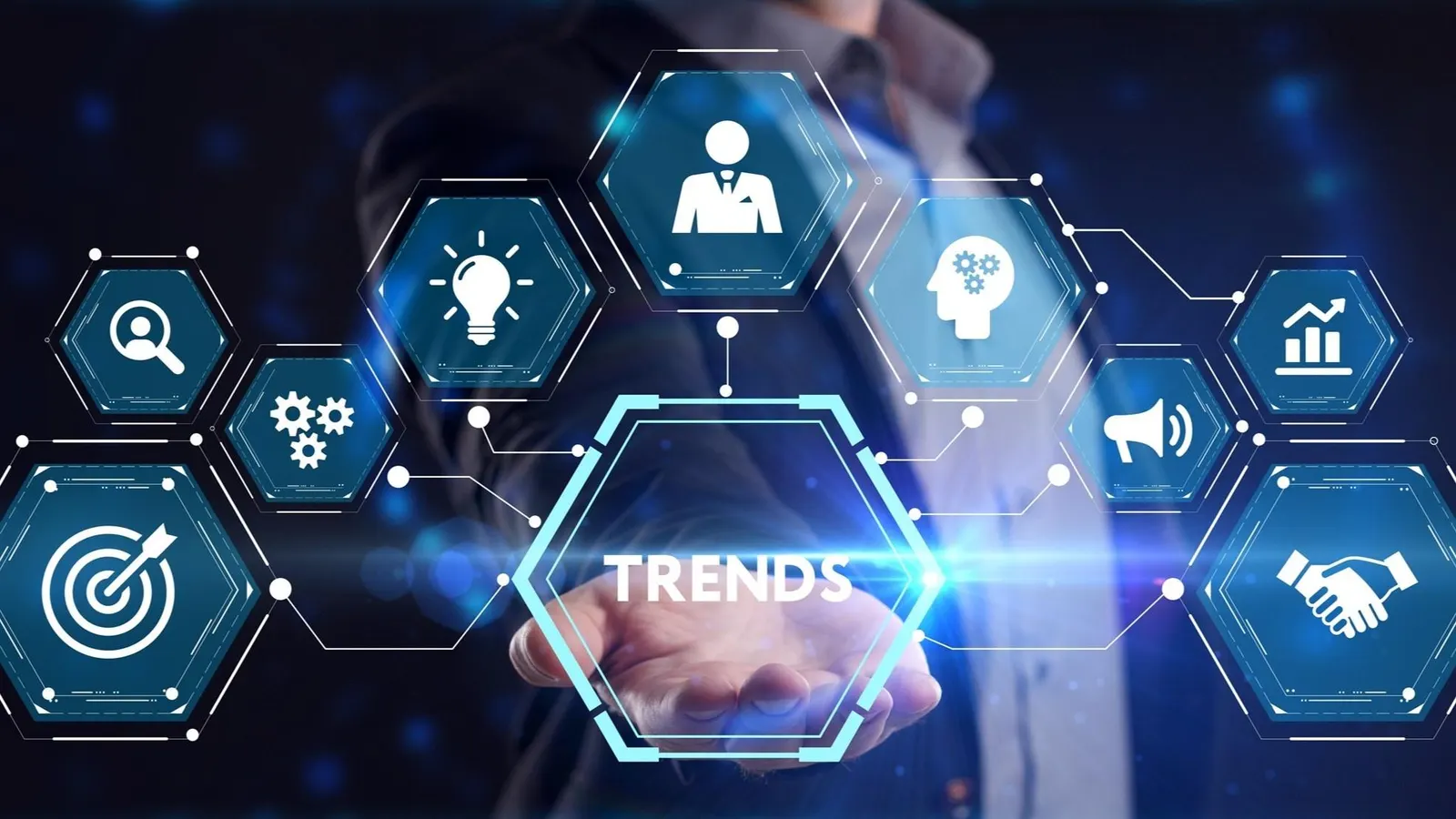
The next decade will redefine how industries operate, compete, and grow. Rapid technological advancement, shifting consumer expectations, and global challenges are forcing businesses to evolve faster than ever. Understanding these key industry trends is essential for organizations aiming to stay relevant and competitive.
1. Artificial Intelligence and Automation Everywhere
AI is moving beyond experimentation into core business operations.
Key Impacts
- Automation of repetitive and complex tasks
- Enhanced decision-making through predictive analytics
- Personalization at scale across industries
AI will not replace entire industries but will reshape roles and workflows significantly.
2. The Rise of Data-Driven Organizations
Data is becoming the backbone of strategic decision-making.
What’s Changing
- Real-time analytics guiding operations
- Increased reliance on big data platforms
- Data democratization across teams
Companies that leverage data effectively will outperform competitors.
3. Sustainability as a Business Imperative
Sustainability is no longer optional—it is a core business priority.
Key Drivers
- Environmental regulations
- Consumer demand for ethical practices
- Long-term cost efficiency
Organizations are investing in green technologies and sustainable operations to remain viable.
4. Digital Transformation Across All Sectors
Digital transformation is accelerating across industries.
Key Developments
- Cloud computing adoption
- Integration of digital tools into workflows
- Enhanced customer experiences through technology
Businesses that fail to digitize risk falling behind.
5. The Future of Work
Workplaces are evolving rapidly.
Emerging Trends
- Remote and hybrid work models
- Increased focus on employee well-being
- Use of collaboration and productivity tools
Flexibility and adaptability are becoming essential for both employers and employees.
6. Cybersecurity as a Top Priority
As digital adoption grows, so do security risks.
Key Concerns
- Data breaches and cyberattacks
- Protection of sensitive information
- Compliance with privacy regulations
Companies are investing heavily in cybersecurity infrastructure and awareness.
7. Personalization and Customer Experience
Customer expectations are higher than ever.
What Businesses Must Do
- Deliver tailored experiences
- Use data to understand preferences
- Provide seamless omnichannel interactions
Customer experience is becoming a major differentiator.
8. Globalization with Local Adaptation
While markets are global, strategies must be local.
Key Strategies
- Customize products for regional markets
- Understand cultural nuances
- Build local partnerships
This balance allows companies to expand effectively across borders.
9. Rise of Platform-Based Business Models
Platforms are transforming how businesses operate.
Examples of Platform Models
- Marketplaces connecting buyers and sellers
- Subscription-based services
- Ecosystems integrating multiple services
These models enable scalability and network-driven growth.
10. Continuous Innovation and Agility
The pace of change requires constant innovation.
How Companies Stay Ahead
- Invest in research and development
- Encourage experimentation
- Adopt agile methodologies
Organizations that innovate consistently will lead the future.
Conclusion
The next decade will be shaped by rapid change and increasing complexity. From AI and sustainability to evolving work models, these trends are redefining industries worldwide. Businesses that embrace these shifts proactively will not only survive but thrive in the future landscape.
FAQs
1. Why is it important to understand industry trends?
Understanding trends helps businesses anticipate changes and adapt strategies to remain competitive.
2. Which industries will be most affected by AI?
Almost all industries, including healthcare, finance, retail, and manufacturing, will be significantly impacted.
3. How can companies prepare for future trends?
By investing in technology, upskilling employees, and adopting flexible strategies.
4. What role does sustainability play in future business?
It influences regulations, consumer preferences, and long-term operational efficiency.
5. Will remote work continue in the future?
Yes, hybrid and remote work models are expected to remain a key part of the workplace.
6. How does cybersecurity impact businesses?
It protects sensitive data, ensures compliance, and maintains customer trust.
7. What is the biggest challenge in adapting to these trends?
The main challenge is balancing innovation with operational stability and resource management.
